
Therapy In Your Home
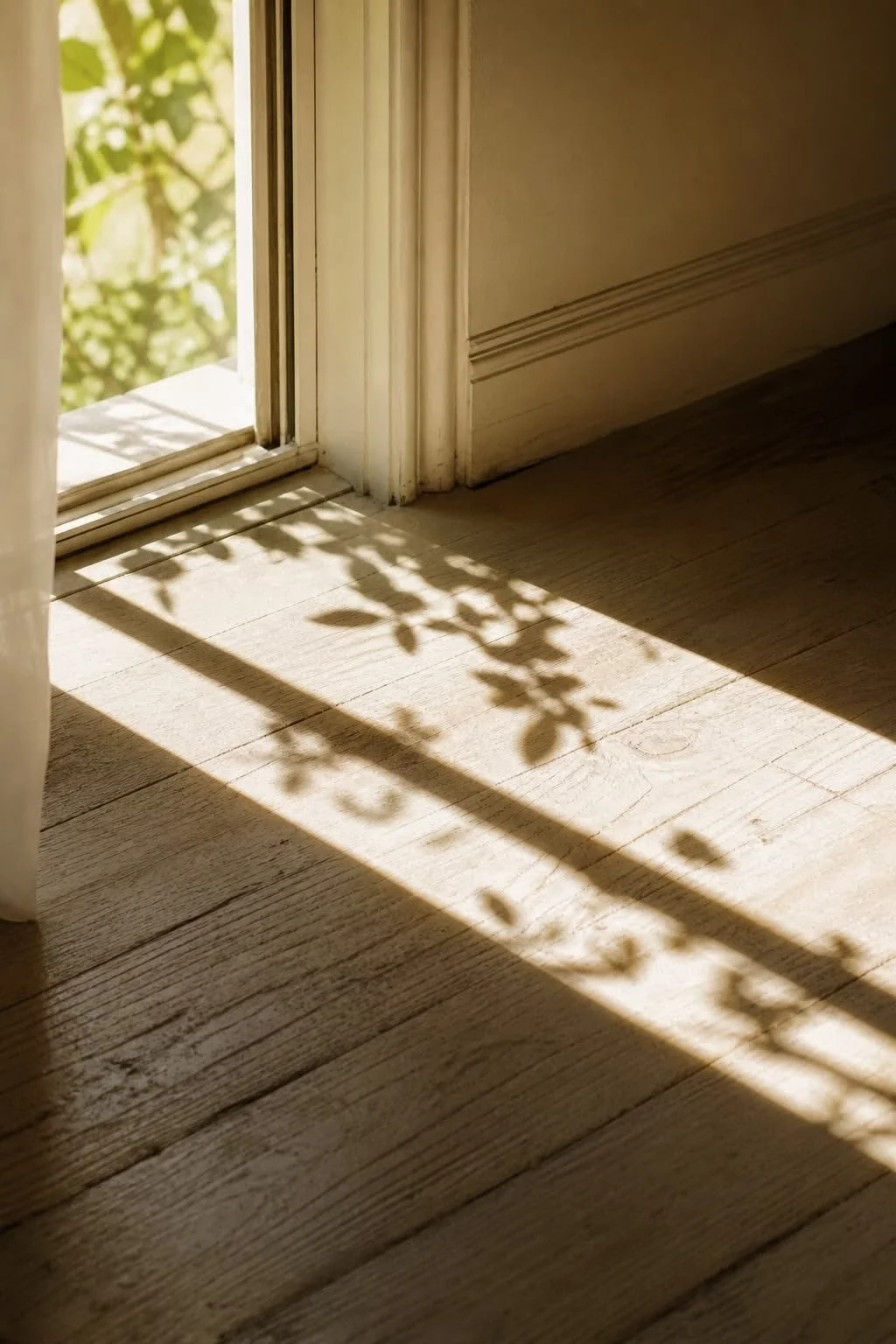
Exploring how the spaces we inhabit shape how we feel, live and relate.
Home is more than the place we live. It can offer comfort, familiarity and a sense of belonging, but it can also hold memories, relationships and expectations that are harder to put into words.
Over time, we become accustomed to our surroundings. We may stop noticing the things we live alongside every day — objects we've held on to, spaces we avoid, familiar arrangements or the atmosphere of a room. Yet these can continue to influence how we feel, how we respond and even how at ease we are in our own bodies.
Our surroundings can support a sense of safety and calm, but they can also contribute to tension, unease or a feeling of being stuck. Sometimes the home itself hasn't changed, but we have, and the space no longer quite reflects who we are or what we need.
Gestalt Therapy in your home offers an opportunity to become curious about these often unnoticed relationships, exploring what our surroundings bring into awareness and what might become possible when we begin to see them differently
Exploring home through Gestalt counselling
Home Therapy brings together my experience as a Gestalt counsellor and interior designer, alongside a longstanding interest in how people experience the spaces they inhabit.
Rather than looking at your home as something to improve or change, we explore your relationship with it. What does home mean to you? Where do you feel comfortable or uncomfortable? What do you hold on to, and what might be difficult to let go of?
We might explore a particular room, an object, a photograph, a memory or a feeling associated with home. You may also choose to bring something meaningful into the counselling room, or we might work with your experience through conversation, imagination or a simple Gestalt experiment.
There is no expectation that anything needs to change physically. Sometimes simply noticing how we experience a place or an object can open up new ways of understanding ourselves.
Where we might work
Our work can take place in a counselling room, online or in your own home.
There is something particularly interesting about exploring our relationship with home while actually being there. The familiar surroundings, objects and everyday details that form part of our lives are present with us, rather than being recalled from elsewhere.
We might notice how it feels to sit in a particular place, to speak about a room or to spend time with an object that carries meaning. But there is no requirement to show me around or share anything you would prefer to keep private.
Equally, bringing an object or photograph into a counselling session can offer another way of making contact with an experience. Sometimes a little distance from home is useful too.
We'll consider together which setting feels most appropriate for you.
What might bring you here?
You might be navigating a change in your life. A relationship ending, a bereavement, retirement, children leaving home, a move, illness, recovery or a new stage of life.
Perhaps you feel unsettled in your surroundings, find yourself holding on to things you no longer need, or feel that your home reflects a version of yourself that has changed.
You might also be curious about your sense of belonging, your connection to a place you've left behind, or what it means to feel at home when you've lived between different countries, cultures or communities.
And sometimes there is no particular difficulty. You may simply want to explore the relationship between your surroundings and your experience of yourself.
You don't need a particular kind of home or a clear idea of what you want to explore.
Counselling, not interior design
Although my background in interior design informs my understanding of space, Home Therapy is a therapeutic process, not a design consultation.
I'm not there to assess your home, suggest improvements or tell you how it should look. Nor will I assume that a particular room or object has a meaning beyond the one it holds for you.
As part of our work, I may invite you to try a Gestalt experiment, perhaps moving an object, sitting somewhere different or exploring a space in a new way. At times, I may also offer a practical suggestion, drawing on my experience in interior design, if it feels relevant and helpful. These are always invitations rather than instructions, and something we can explore together.
The focus remains on your experience, rather than finding design solutions. Sometimes a small physical change can help us notice something new about how we feel, relate or inhabit a space.
Our focus is on your experience and what we discover together. If we choose to interact with an object or make a small change to the physical environment as part of a Gestalt experiment, it will always be collaborative and with your agreement.
How it works
We begin with a free 20-30-minute online conversation to explore what brings you here and how we might work together.
Sessions involving home, objects and lived space can take place online or in a counselling room as part of one-to-one Gestalt counselling.
If we decide that working in your home would be valuable, we'll discuss the practicalities beforehand, including privacy, boundaries and where you would feel comfortable meeting. An optional online walk-around can help us prepare for the visit.
A home visit lasts approximately 75 minutes and costs £250, with any travel costs agreed in advance.
Afterwards, we meet online to reflect on the experience and consider whether further sessions would be useful.
Home visits are a developing part of my practice and are currently offered on a limited basis. We'll consider together whether this way of working is appropriate for you.
If you're curious about exploring your relationship with home, I'd be pleased to hear from you.
Get in touch to arrange an introductory conversation.